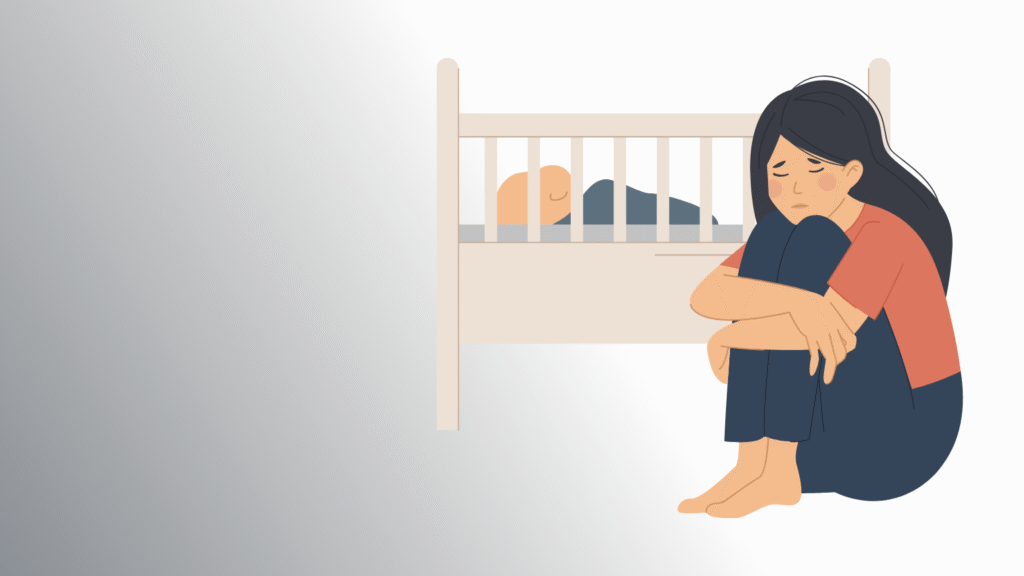
You just had a baby. The world told you this would be the happiest, most serene time of your life. But you’re exhausted, tearful, and feel an anxious current running constantly beneath your skin.
You know about the “Baby Blues,” but this feels… different. It feels bigger. More overwhelming.
Understanding the difference between the common, temporary Baby Blues and the deeper, persistent feelings of Postpartum Anxiety (PPA) is the crucial first step toward getting the right support and finally finding some peace. You are not weak for feeling this way. You are human, and your body and mind are adjusting to the single biggest transition of your life.
Let’s break down these two emotional experiences and talk about how coaching can help you build the emotional resilience you need.
The Baby Blues: Temporary Tears and Turbulance
The Baby Blues are incredibly common—affecting up to 80% of new mothers—and they are directly tied to the dramatic hormonal shifts that occur immediately after birth.
| Characteristic | Baby Blues |
| When it Starts | Within the first few days after birth. |
| When it Ends | Typically peaks around day 5 and resolves on its own within two weeks. |
| Feelings | Sadness, weepy spells, irritability, fatigue, mood swings, feeling overwhelmed. |
| Impact on Function | You can usually still sleep, eat, and care for the baby and yourself. |
| Key Takeaway | It’s a passing emotional storm caused by your hormones resettling. You are not losing control. |
If you are experiencing these feelings, lean on your partner, take short breaks, and prioritize rest. They will pass as your body regulates.
Postpartum Anxiety (PPA): When Worry Takes Over
If those intense, unsettled feelings last longer than two weeks, or if the central feeling is one of persistent, intrusive worry rather than just sadness, you may be experiencing Postpartum Anxiety.
PPA is more than just normal new-parent jitters. It’s an internal alarm system stuck on high, making it nearly impossible to relax, even when the baby is sleeping.
5 Signs Your Anxiety Needs Professional or Coaching Support
- The Worry is Constant and Intrusive: You have persistent, looping thoughts about danger, sickness, or harm coming to the baby or yourself. You can’t mentally turn off the fear.
- Physical Symptoms Are Persistent: You feel frequent physical signs of anxiety, such as a racing heart, shallow breathing, muscle tension, or stomach issues.
- Compulsive Checking or Avoidance: You develop rituals like constant checking the monitor, needing to re-check car seat straps repeatedly, or avoiding going out because it feels “too risky.”
- You Can’t Sleep (Even When You Can): You suffer from significant insomnia, lying awake worrying even during your windows of opportunity for sleep.
- You Feel Irritability More Than Sadness: While sadness can be present, the dominant feeling is one of constant edge, anger, and agitation.
If these feelings define your days and nights after the first two weeks, it is time to seek outside support. This is the difference between navigating a temporary rough patch and needing a specific set of tools for long-term emotional well-being.
How Emotional Resilience Coaching Helps
It’s important to clarify: Postpartum Coaching is not a replacement for clinical therapy or medication if you are in crisis. (If you are having thoughts of harming yourself or your baby, please contact an emergency helpline immediately.)
However, for mothers struggling with PPA, overwhelm, or that daily, draining emotional friction, Postpartum Emotional Support Coaching can be a lifeline.
In coaching, we focus on building your Emotional Resilience and providing Daily Coping Tools to handle stress in real time.
We work on practical strategies like:
- Mindset Shifts: Moving from catastrophizing thoughts to balanced, gentle truths.
- Boundary Setting: Learning how to ask for help and protect your energy without guilt.
- Grounding Techniques: Simple, 5-minute techniques to pull you out of an anxious spiral.
- Naming the Feelings: Learning to identify, acknowledge, and process the difficult emotions without letting them take over.
You do not have to carry the weight of this transformation alone. Your motherhood journey is your “second birth”—a transformation of your entire self—and every birth deserves dedicated support and space for healing.
You are not broken; you are becoming.
Ready to Find Your Calm?
If you recognize the signs of Postpartum Anxiety and are ready to learn practical, gentle ways to manage your emotions and rediscover yourself, I see you.
Start your healing journey today with a confidential Emotional Support Session. We will work together to create emotional space in your life, so you can finally feel held, heard, and whole.
