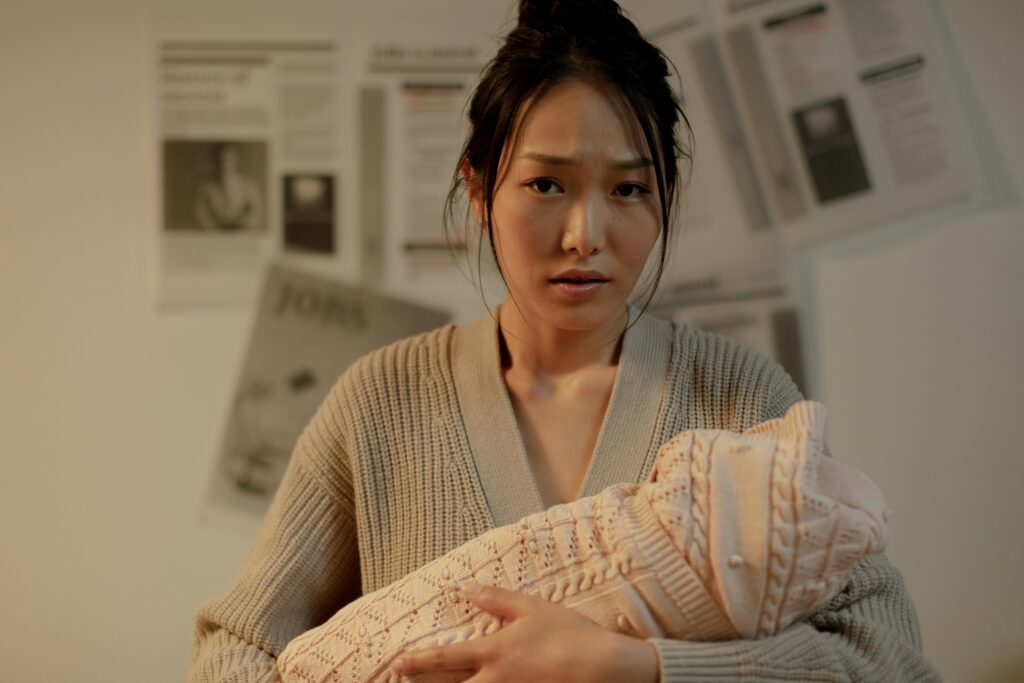
I remember standing in the kitchen at 3 AM, bottle-feeding our daughter while my husband slept soundly upstairs. The resentment felt like a physical weight in my chest. He hadn’t caused my postpartum depression, but somehow, he’d become tangled up in it—a target for all the anger, frustration, and pain I couldn’t articulate.
If you’re emerging from the fog of postpartum depression (PPD) only to find your relationship damaged and distant, you’re not imagining it. PPD doesn’t just affect the person experiencing it—it strains partnerships, creates misunderstandings, and builds walls where intimacy used to be.
The good news? Reconnection is possible. It takes intention, patience, and honesty, but the relationship on the other side can actually be stronger than before.
Understanding Why PPD Creates Distance
Before we talk about reconnection, let’s acknowledge what happened. Postpartum depression isn’t just “baby blues” or sadness—it’s a serious mental health condition that affects how you think, feel, and relate to the world around you.
During PPD, your partner may have felt helpless, confused, or rejected. You may have felt unseen, unsupported, or completely alone despite having someone right beside you. Neither of you caused this, but both of you lived through it. The resentment you’re feeling now is a symptom, not a character flaw.
Common patterns that emerge during PPD include:
- One partner withdrawing emotionally while the other tries desperately to help
- Communication breaking down into silence or criticism
- Physical intimacy disappearing entirely
- Small irritations becoming major conflicts
- Scorekeeping and unspoken expectations replacing teamwork
Recognizing these patterns is the first step toward healing them.
The Resentment That Lingers
Even after PPD symptoms improve, resentment can remain like residue. Maybe you resent that your partner didn’t understand what you were going through. Maybe they resent the version of you that emerged during depression. Perhaps you both resent how much this experience stole from your early days as parents.
This resentment is valid, but it’s also a bridge you’ll need to cross if you want to reconnect. The key is acknowledging it exists without letting it define your relationship’s future.
Here’s an uncomfortable truth: resentment often masks deeper feelings like grief, fear, and disappointment. When you find yourself thinking “they should have known” or “they didn’t do enough,” there’s usually a more vulnerable emotion underneath.
Starting the Conversation
Reconnection begins with honest conversation, but timing matters. Don’t attempt a deep emotional discussion when you’re exhausted, triggered, or in the middle of a stressful day. Choose a moment when you both have some energy and privacy.
Start with something like: “I want to talk about how we can reconnect after everything we’ve been through. I know PPD was hard on both of us, and I miss feeling close to you.”
This opening acknowledges shared pain without assigning blame—a crucial distinction when both partners are carrying wounds.
What to Say When You’re Still Hurting
Be specific about your feelings without making it a character assassination. Instead of “You never helped me,” try “I felt very alone during the hardest nights, and I’m still processing that pain.”
Allow your partner to share their experience too. They may reveal feelings you didn’t realize they had—helplessness, fear of losing you, exhaustion from trying to keep everything together. Their struggle doesn’t negate yours, but understanding their perspective can soften the edges of your resentment.
If this conversation feels impossible to have alone, a couples therapist who specializes in postpartum issues can provide invaluable structure and support.
Rebuilding Connection Step by Step
Reconnection after PPD isn’t about flipping a switch—it’s about small, consistent actions that gradually restore trust and intimacy.
1. Create New Shared Experiences
PPD may have colored all your early parenting memories with darkness. Intentionally create new, positive experiences together that aren’t weighed down by that history. This could be as simple as a weekly walk without the baby or cooking a meal together. The goal is to remind yourselves that you can still enjoy each other’s company.
2. Practice Micro-Appreciations
Resentment thrives when we fixate on what’s wrong. Combat this by naming small things you appreciate about your partner daily. “Thank you for making coffee this morning” or “I noticed you’ve been getting up with the baby more—I appreciate that.” These micro-appreciations gradually shift your focus from deficit to contribution.
3. Touch Without Expectation
Physical intimacy often disappears during PPD and doesn’t magically return when symptoms improve. Start small—hold hands during a TV show, hug for ten seconds when greeting each other, sit close on the couch. Touch without sexual expectation rebuilds physical comfort and trust.
4. Schedule Protected Time
This sounds unromantic, but spontaneity is a luxury new parents rarely have. Put your relationship on the calendar. Even 30 minutes of uninterrupted conversation once a week can begin reweaving your connection.
5. Repair Specific Hurts
If there were specific incidents during your PPD that created wounds—a fight you can’t forget, a moment you needed support and didn’t get it—address them directly. “I’m still hurt about the night I asked for help and you seemed frustrated. Can we talk about what happened?”
These conversations are hard, but unprocessed hurts become infected wounds. Name them, validate the pain, and work toward mutual understanding if not agreement.
Managing Expectations and Setbacks
Some days, reconnection will feel impossible. You’ll be triggered by something that reminds you of the worst PPD days. Old patterns will resurface. Progress isn’t linear, and that’s okay.
Give yourself permission to have bad days without interpreting them as failure. Healing from PPD—both individually and as a couple—takes time. Research shows it can take 6-12 months after symptom improvement for relationships to fully recover, sometimes longer.
Be gentle with yourself and your partner during this process. You’re both learning how to be together again in a fundamentally changed context.
When Professional Help Is Needed
Sometimes, the damage runs deep enough that you need outside support. Consider couples therapy if:
- You can’t have conversations about PPD without them escalating into fights
- One or both of you is considering leaving the relationship
- Resentment isn’t decreasing despite your efforts
- There’s been infidelity or betrayal during this period
- You want help but don’t know where to start
There’s no shame in getting help. In fact, seeking therapy demonstrates commitment to healing your relationship.
Rediscovering Each Other
Here’s something no one tells you: the relationship you rebuild after PPD won’t be the same as before. You’re both different people now—shaped by hardship, stretched by caregiving, marked by struggle.
But different doesn’t mean worse. Many couples report that navigating PPD together, while painful, ultimately strengthened their partnership. They developed deeper empathy, clearer communication, and more realistic expectations of each other.
The reconnection you’re working toward isn’t about returning to who you were as a couple before the baby. It’s about discovering who you can be together now—as parents, as partners, as people who’ve survived something difficult and chosen to move forward together.
Moving Forward
Resentment after PPD is real, valid, and incredibly common. It doesn’t make you a bad partner or mean your relationship is doomed. It means you’re human, you’ve been through trauma, and you’re working to heal.
Start small. Have one honest conversation. Express one appreciation. Initiate one moment of connection. These small actions, repeated over time, can bridge even the widest distances.
Your relationship survived PPD. With intention and effort, it can do more than survive—it can grow into something more honest, more resilient, and more connected than it was before.
You don’t have to do this perfectly. You just have to keep choosing each other, one small moment at a time.