
Postpartum Depression: Understanding the Hidden Struggles
Postpartum emotions are far more complex than most people imagine. While society often romanticises the early days of motherhood, the reality for many women is very different. Beneath the love and joy, mothers may experience loneliness, fear, or even shame. These feelings are rarely talked about, which leaves countless women believing they are alone in their struggles. However, acknowledging and understanding these emotions is the first step toward healing.
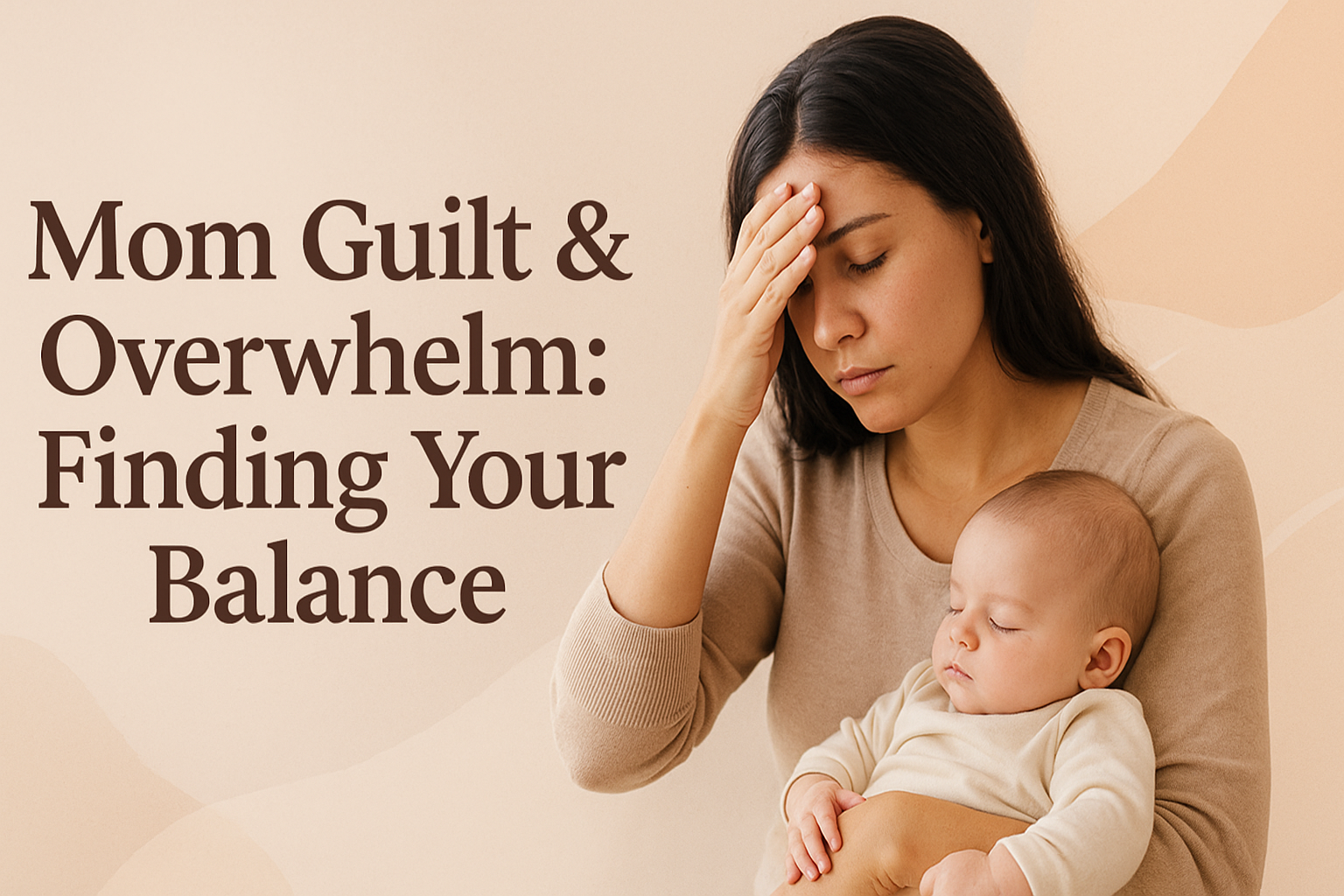
👉 Related Reading: Mom Guilt & Overwhelm: Finding Your Balance in Motherhood
The Emotional Rollercoaster After Birth
The weeks after childbirth are filled with rapid hormonal shifts, sleepless nights, and the pressure of adjusting to a new role. As a result, emotions often fluctuate dramatically. One moment, you may feel overjoyed watching your baby sleep peacefully. The next, you may find yourself in tears, doubting whether you are doing enough.
This emotional rollercoaster is not a sign of weakness. On the contrary, it reflects the profound transformation your mind and body are experiencing. Moreover, these emotional changes are deeply human and deserve compassionate understanding rather than judgment.
Common Postpartum Emotions
Although every mother’s journey is unique, certain emotions appear more frequently during the postpartum period. Recognising them is crucial to finding balance and support.
- Sadness and tearfulness – Often referred to as the “baby blues,” these feelings are experienced by up to 80% of new mothers. While they usually fade within two weeks, they can feel overwhelming in the moment.
- Anxiety and worry – Concerns about your baby’s safety, feeding routines, or your own abilities can create persistent unease. In some cases, this may develop into postpartum anxiety.
- Guilt and inadequacy – Many mothers feel they are not living up to expectations, which fuels cycles of guilt.
- Irritability or anger – Unspoken frustration, exhaustion, or lack of support can surface as irritability, which is often misunderstood.
- Isolation – Even surrounded by family, many women feel disconnected or invisible.
👉 Learn More: Postpartum Anxiety vs Baby Blues: Know the Signs, Get the Right Support
Why These Emotions Stay Hidden
Despite being common, postpartum emotions are often kept in silence. Cultural narratives glorify motherhood as purely joyful, leaving little room for struggle. Consequently, mothers may fear being judged as ungrateful or incapable if they admit their true feelings.
Furthermore, social media intensifies this silence. Perfectly staged photos suggest that other mothers have everything under control. Therefore, women experiencing sadness or overwhelm often compare themselves unfairly and retreat further into isolation. Breaking this silence is essential to healing not only for the mother, but for her entire family.
Practical Strategies to Navigate Postpartum Emotions
Although you cannot control every emotional shift, you can take steps to manage and ease the struggles.
5 Actionable Tips for Everyday Practice
- Name What You’re Feeling
Instead of saying “I’m just tired,” try: “I feel anxious” or “I feel sad today.” Naming the emotion takes away its power and helps you understand what your body and mind need. - Create a “Calm Corner”
Choose a spot in your home where you can step away for five minutes. Add a candle, journal, or soothing playlist. Even short retreats can reset your mood. - Set a Daily Connection Goal
Aim to connect with at least one supportive person daily — a quick call, a message, or a coffee with another mom. Connection interrupts isolation. - Use the 5-Minute Reset
When overwhelm rises, pause for five minutes: close your eyes, breathe deeply, stretch, or write down one thing you are grateful for. This small reset helps calm your nervous system. - Ask for Specific Help
Instead of waiting until you’re burnt out, practice requesting small, specific tasks: “Can you fold the laundry?” or “Please watch the baby while I shower.” Specificity makes it easier for others to support you.
👉 Helpful Resource: Postpartum Support International – offering hotlines, local support groups, and educational resources for mothers worldwide.
The Role of Partners and Families
Postpartum emotions do not exist in isolation; they impact relationships too. Partners, family members, and friends often want to help but may not know how. Open communication is key. For example, simply saying, “I feel overwhelmed, can you take the baby for 20 minutes?” can make a huge difference. Moreover, when families approach mothers with empathy rather than solutions, it fosters trust and connection.
A Global Perspective
Maternal mental health is a worldwide concern. According to the World Health Organization, around 1 in 5 women experience a mental health condition during pregnancy or postpartum. This highlights the urgent need for greater awareness, resources, and support systems globally.
By understanding postpartum emotions as a health issue, rather than a personal failing, we can create a culture where mothers feel safe to share their struggles and seek help.
Your Daily Affirmation
“I am not defined by guilt or overwhelm. I am learning, growing, and becoming stronger each day. My emotions are valid, my needs matter, and I deserve compassion from myself and from others.”
A Final Word of Encouragement
Motherhood is not meant to be a silent battle. While postpartum emotions can feel heavy, they do not define your worth or ability as a mother. With compassion, support, and practical strategies, it is possible to navigate this season and rediscover strength within yourself.